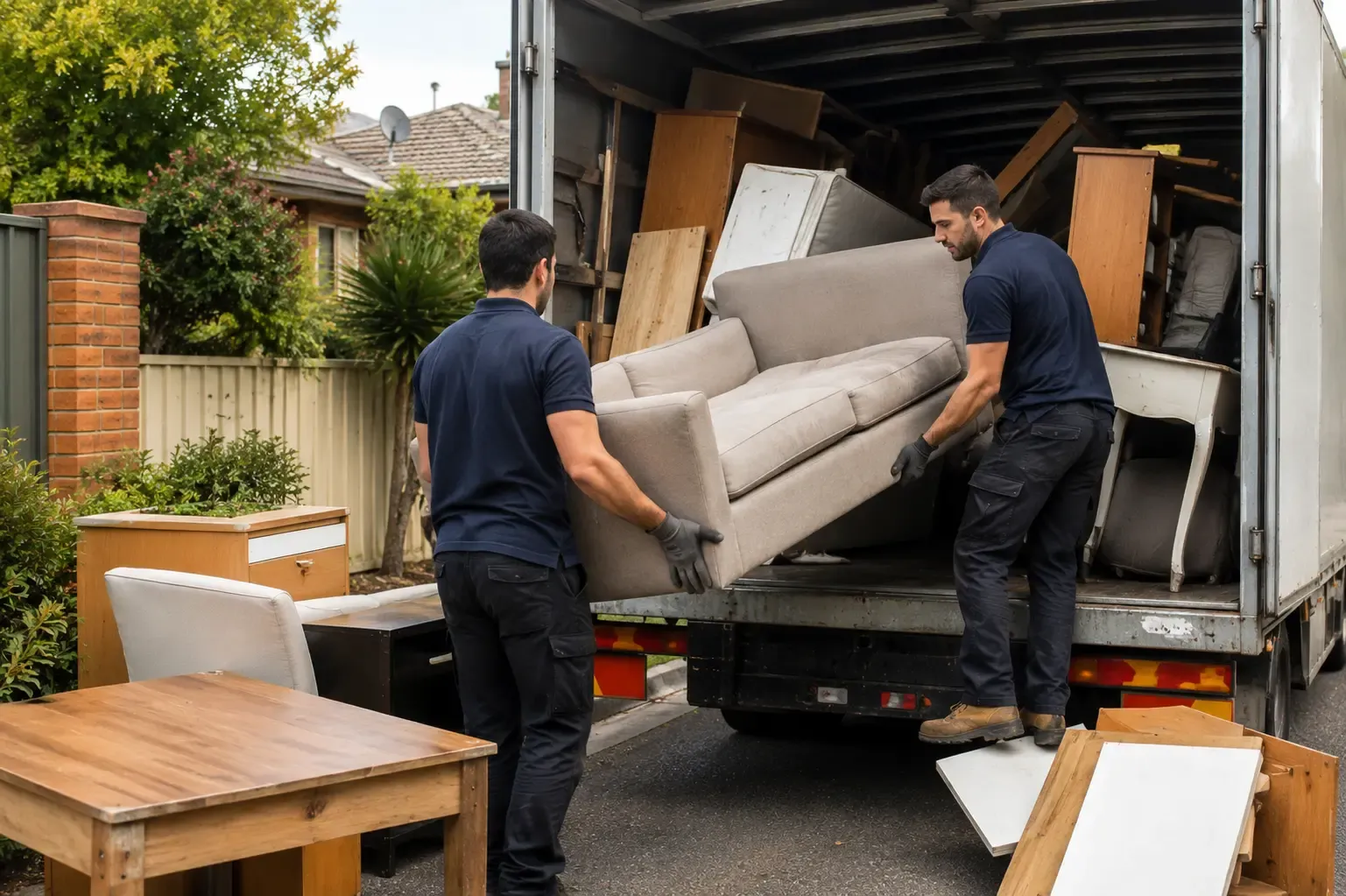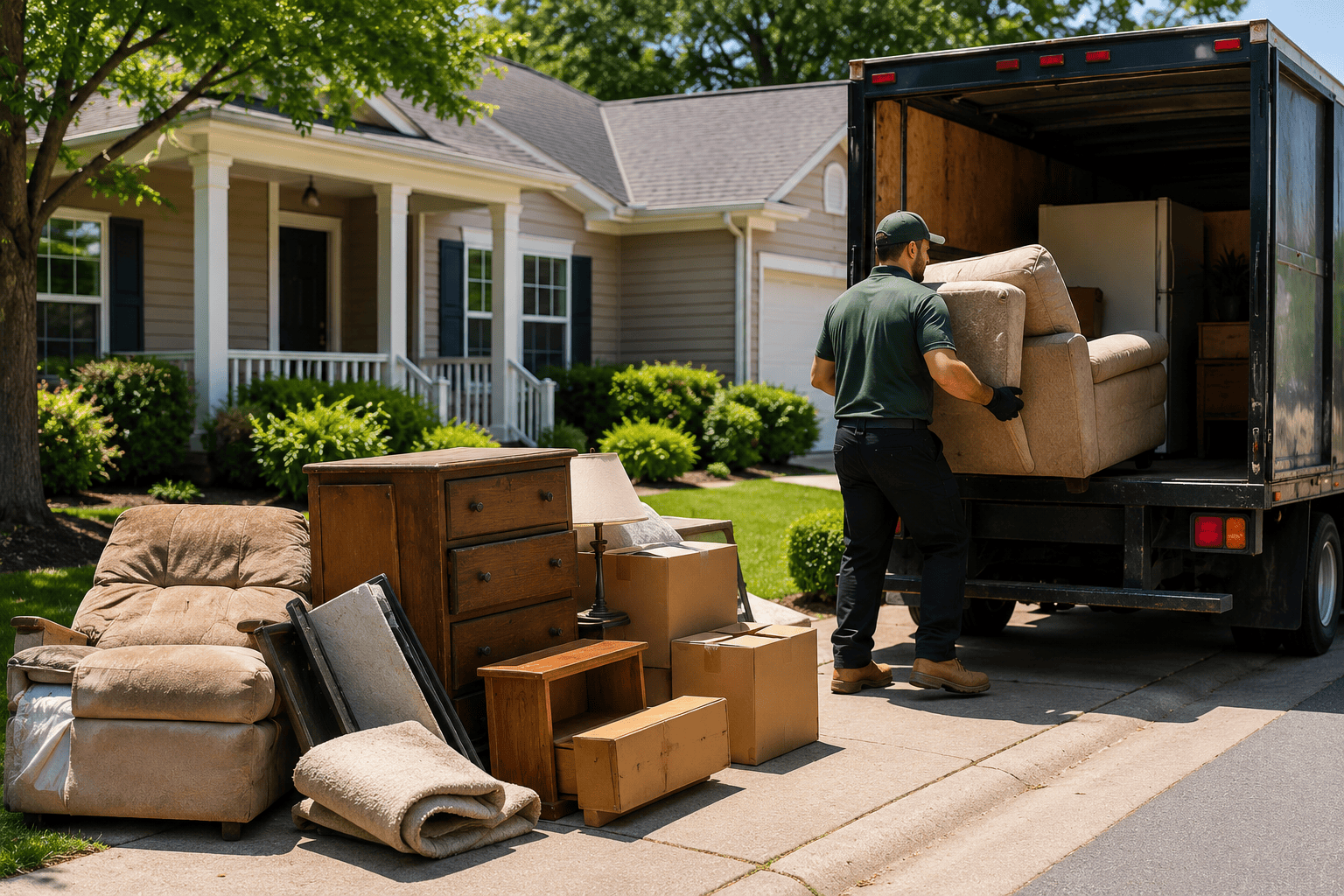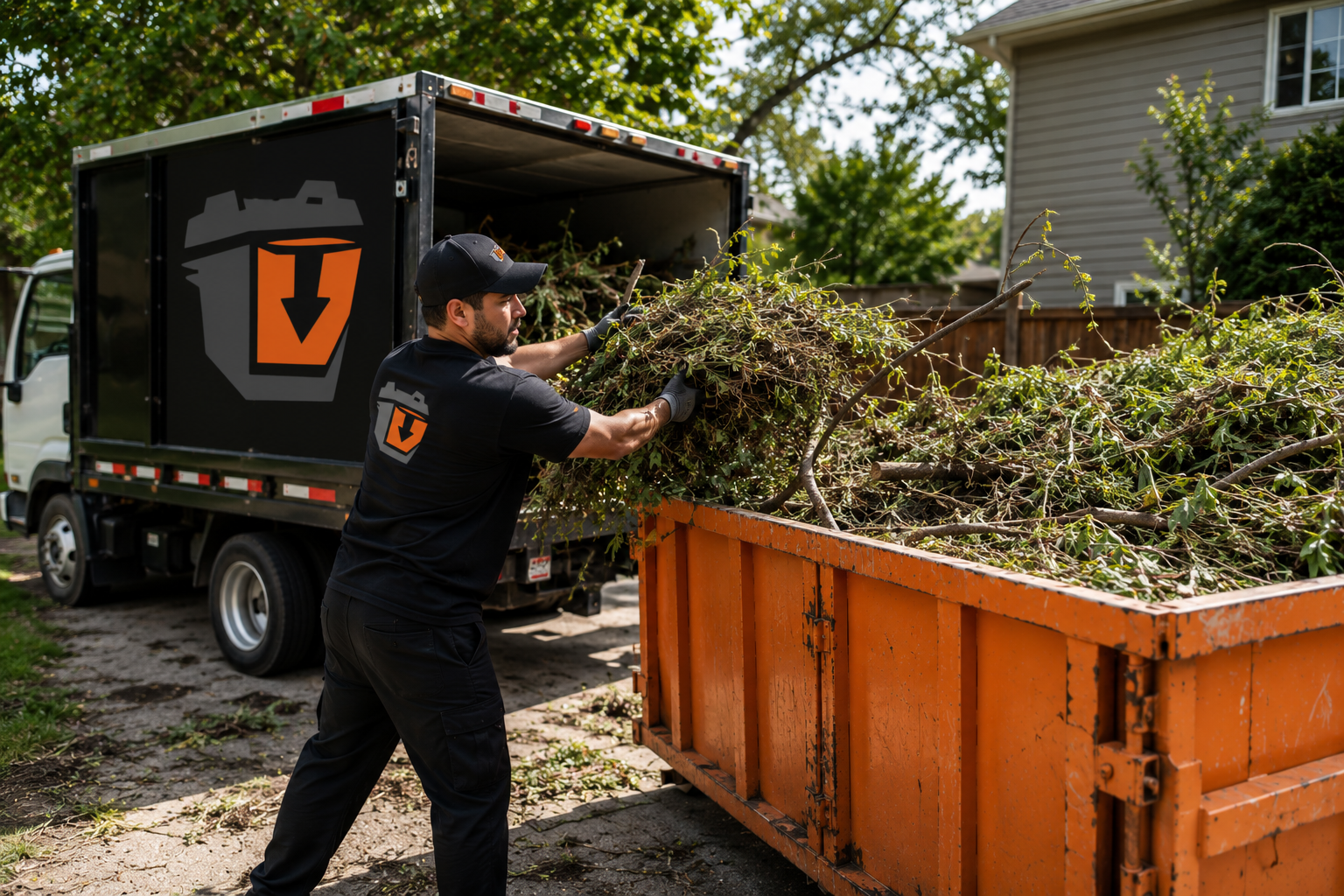

Planning to clear a property and select what to use and discard the rest may seem easy, but emptying a property can bring up more work than people expect. When you inspect, you realise that there may be furniture in every room, multiple boxes in the basement, old appliances in the kitchen, and years of forgotten belongings. When moving house with a moving team, also hire a professional cleaner because an Estate Cleanouts Service Canada can take that weight off your shoulders by going through the property carefully rather than simply treating everything as rubbish. After a house sale, a family move or the loss of a loved one, dealing with all of it at once can be especially difficult.
A proper Estate Cleanouts Service Canada starts room by room. One cupboard might contain things the family wants to keep, while the next could be full of items nobody has used for years. Taking the time to separate them makes a difference. Important papers, photographs and personal possessions should not disappear simply because someone is trying to empty the property quickly.
What usually needs sorting?
Furniture that needs to be discarded.
Clothes and other essential belongings.
Kitchen appliances.
Books, paperwork and photographs.
Items suitable for donation.
Broken or unwanted household goods.
As the rooms get cleared out, another type of thing people don't want anymore comes into view: electronics. There are many unused for years or are damaged that you often see in storerooms and places where people keep stuff.
A house clearance can uncover a surprising amount of electrical equipment. That old monitor in the corner or box of chargers has probably been there for years. Just putting items in the same group as regular trash is not a good idea. E-Waste Disposal allows electronics to be separated and directed towards appropriate recycling or handling facilities.
Common items found during a clearance
Old televisions.
Computers and monitors.
Printers and scanners.
Chargers and power cables.
Small electrical appliances.
Batteries and other electronic components.
Separating these items also makes the rest of the clearance easier. The crew can concentrate on ordinary household contents without mixing completely different types of waste together. And if the property has recently been renovated, there may be another pile waiting outside.
Renovation jobs can leave a pretty big mess behind. Once the old kitchen is ripped out, the flooring comes up, or fixtures are taken down, there’s usually stuff left everywhere—pieces of wood, drywall, tiles, metal, and whatever else was part of the old setup. You’ve also got to watch your step because nails, screws, and broken bits can easily end up on the floor. Demolition cleanup helps bring some order to the space after the construction work.
You might be left with
Broken cabinets.
Timber and flooring pieces.
Plasterboard.
Damaged tiles.
Old fixtures and fittings.
Nails, screws and other sharp debris.
Once that material has been removed, it becomes much easier to see what is actually worth keeping. Not everything that was left behind is waste.
An Estate Cleanouts Service Canada can uncover perfectly usable things that simply no longer have a place in the owner's plans. A good table, a set of chairs, clean clothes, or household items may still be useful to someone else. Sending these straight to landfill would be a waste when another option exists.
Items may be suitable for reuse
Furniture in reasonable condition.
Clean clothing.
Books.
Kitchenware.
Household decorations.
Working appliances.
Sorting takes judgement. A looking piece of furniture might be sturdy and useful, while something newer could be damaged beyond repair. Where items are suitable, donating them to charities or community organisations gives them a chance to be used again.
But some properties have far more belongings than can be dealt with through an ordinary clearance.
When clutter has built up over a long period, the job can feel completely different. There may be belongings stacked from floor to ceiling, rooms that are difficult to enter, and possessions hidden beneath years of accumulated items. It is not a situation where rushing through the property is necessarily helpful.
A careful approach can involve
Clearing one area before moving to the next.
Making safe paths through heavily cluttered rooms.
Separating personal or valuable belongings.
Identifying items for donation or recycling.
Removing genuinely unusable material.
Leaving the property safer and easier to use.
There can also be an emotional side to this type of clearance. Not every object is just an object to the person who owns it. Giving people time to decide what matters can make a difficult cleanout considerably easier.
The same organised approach becomes useful when the property is not a family home at all, but a rental or commercial space that needs to be turned around quickly.
For business owners, an empty property can become a time bomb when it is not ready, and the next buyer is knocking on the door. A former tenant may leave furniture behind. An office may contain unwanted desks and equipment. A shop or commercial unit could need a much more substantial clearout before anyone else can use it.
A clearance can help with
Emptying rental properties after a tenant leaves.
Removing unwanted office furniture.
Clearing abandoned belongings.
Preparing commercial units for new occupants.
Separating reusable items from general waste.
Getting the property back into workable condition.
The final result is more than an empty building. The aim is to leave a space that someone can actually walk into and use. Along the way, E-Waste Disposal keeps unwanted electronics on a separate route, while Demolition clean-up can take care of leftover renovation material. For homeowners, landlords and businesses alike, that organised process can save the considerable time and effort involved in trying to coordinate every part of the clearance themselves.
Professional, insured same-day junk removal services across Ontario.
Send a message or request a free quote