Sorting and recycling junk at home in Canada doesn’t have to be a chore; once you’ve got a simple system, it’s actually pretty easy to keep your place tidy and do right by the planet at the same time. If you’re already filling bags with clutter and thinking about residential junk removal, this guide will help you sort things properly and know when to call, instead of just dumping everything in the bin.
Before you start tossing things, walk through your place and see what kind of junk you’re actually dealing with. In most Canadian homes, the junk pile isn’t as random as it looks – it usually breaks down into a few easy groups.
You’ve got your everyday rubbish (food scraps, old packaging,
those random broken bits), your recycling (paper, cardboard, cans, bottles and some plastics),
your e‑waste (old phones, laptops, chargers, TVs, printers),
the big stuff (appliances, old furniture, saggy mattresses),
and then the dodgy bits like batteries, paint and chemicals.
Once you see what’s what, it’s way easier to decide what can go in the regular city recycling, what needs proper residential junk removal, and what should head off to e‑waste or an appliance recycling service instead.
You don’t need anything fancy – just a few clear spots so everyone in the house knows where things go.
One bin for landfill rubbish
One bin or crate for bottles, cans and paper/cardboard
A small box or basket for e‑waste (cables, old phones, remotes)
A corner or shelf in the garage/basement for bulky items and broken appliances
If you’re planning a bigger clear‑out, you can tie this in with a residential junk removal booking so the crew turns up once everything’s already sorted into rough categories. That way you’re not making decisions on the fly while the truck is sitting outside.
Most Canadian cities have decent curbside recycling, but it’s not a free‑for‑all. To make life easier:
Give your recycling a bit of love, and it’ll go a long way.
Give bottles and cans a quick rinse so they’re not full of old food or flat drink.
Flatten your cardboard boxes so they actually fit in the bin instead of sitting half‑out with the lid stuck open.
Have a quick look at which plastics your city actually takes (it’s usually on the bin lid or the council website) so you’re not tossing in stuff that’ll just get rejected.
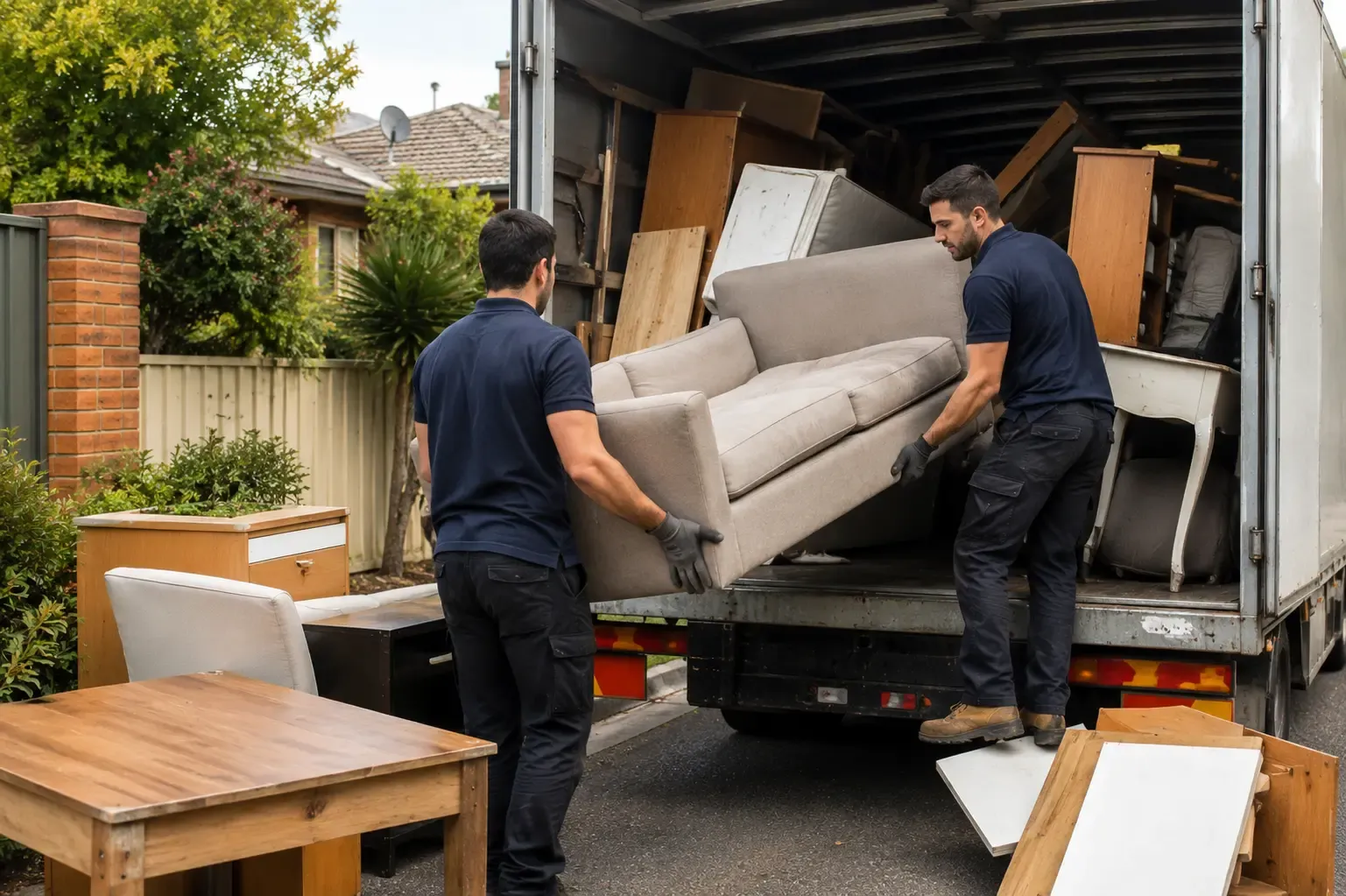
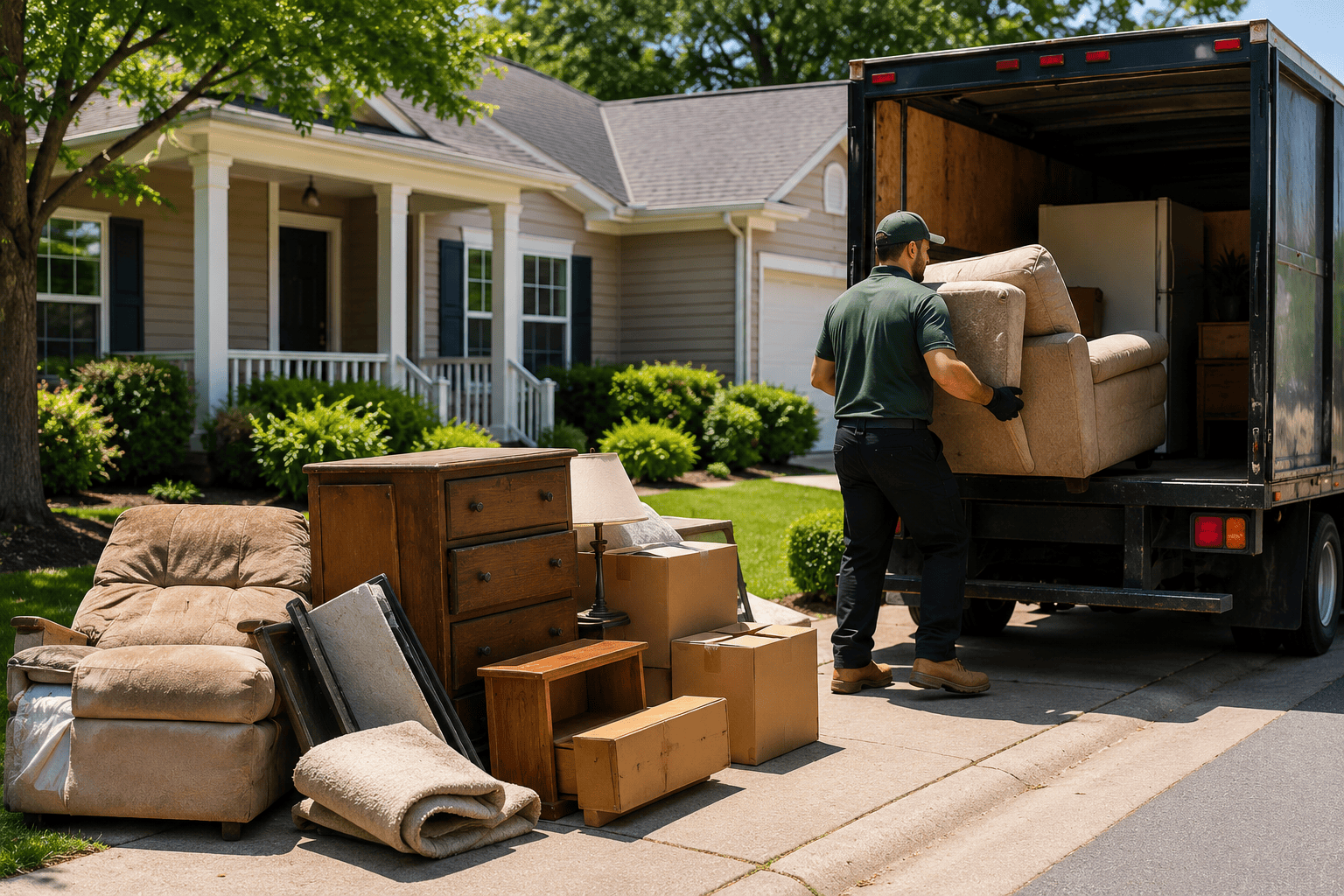
Anything too big, too heavy, or obviously not meant for the blue bin is better off going through residential junk removal – things like old furniture, reno offcuts, and that mixed junk pile from a big declutter.
This is where a proper Electronic Waste Disposal Service really matters. Old electronics shouldn’t go in the rubbish or normal recycling – they often contain metals, glass and chemicals that need careful handling.
Common e‑waste at home includes:
Phones, tablets and laptops
Old TVs and computer monitors
Printers, routers and modems
Game consoles, speakers and cables
Instead of stuffing these in a drawer “for later”, set them aside and ask your local residential junk removal company if they offer e‑waste pickup. Many will either recycle it themselves or drop it at the right facility for you.
Big appliances are a different beast. Fridges, freezers, washers, dryers, dishwashers and old stoves aren’t the kind of thing you just chuck on the curb and forget about – they need to be dealt with properly.
A good Appliance Recycling Service in Canada will safely drain out coolants and other nasty stuff from fridges and freezers, pull out any reusable parts, and make sure the rest gets recycled or disposed of the right way, not dumped in a landfill.
Strip out metals and reusable parts
They’ll also make sure the rest of the appliance is dealt with properly, not just dumped wherever there’s space.
If you’re upgrading, it’s worth asking the retailer what they do with old units – a lot of the time they’ll take the old fridge or washer away when they drop off the new one, which saves you organising a separate pickup or tip run.
There’s a point where normal rubbish and recycling just won’t cut it anymore – that’s when residential junk removal really comes into its own. Good times to call in a crew include:
Big spring‑clean or pre‑move declutter
Estate clean‑outs or downsizing
Renovation leftovers (old cabinets, offcuts, broken fixtures)
Mixed junk that’s hard to sort or move on your own
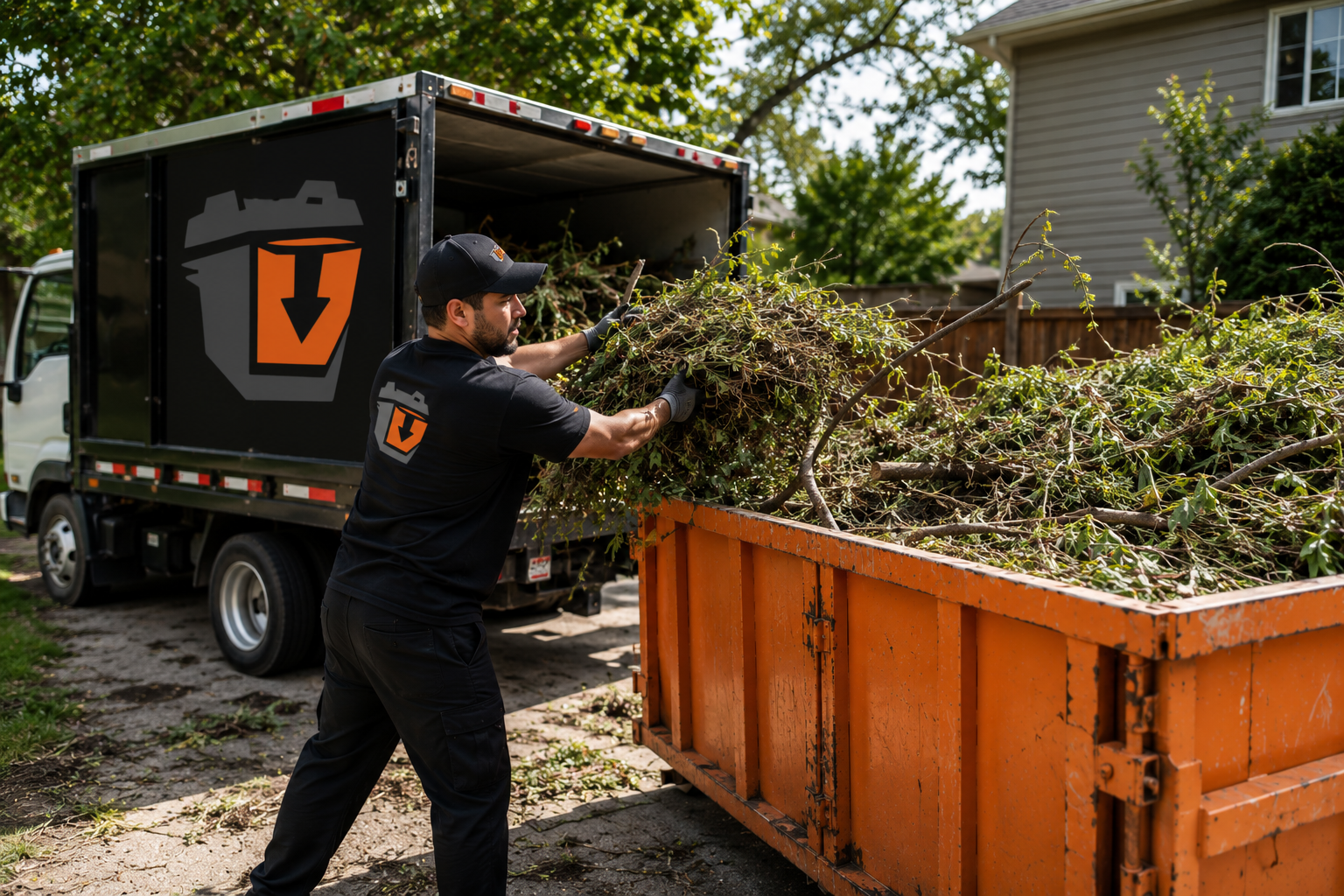
A professional residential junk removal service will load, sort and dispose of things properly, and many will divert as much as they can to recycling, e‑waste or appliance recycling instead of sending everything straight to landfill.
Some items always need special treatment, like:
Stuff like paints, oils, chemicals, cleaning products,
loose batteries, rechargeable packs, fluoro tubes
and some lightbulbs are all in the “handle with care” bucket – they’re not for the regular bin at all.
Most areas have special drop‑off spots or community collection days just for this kind of thing, so it’s worth checking what’s running near you. Have a quick chat with your residential junk removal crew about what they’ll take and how they deal with it, or jump onto your city’s website before you toss any of this into a bin it doesn’t belong in.
Once you’ve done one big clear‑out, staying on top of things is much easier if you build a couple of simple habits:
Keep an e‑waste box going all year
Do a quick cupboard or closet purge every few months
Put aside broken items instead of shoving them back in a drawer
Plan a yearly junk removal for home run for anything that’s built up
Over time, this makes your home easier to manage, and you’ll rely less on last‑minute clean‑ups and more on steady, simple routines.
Professional, insured same-day junk removal services across Ontario.
Send a message or request a free quote