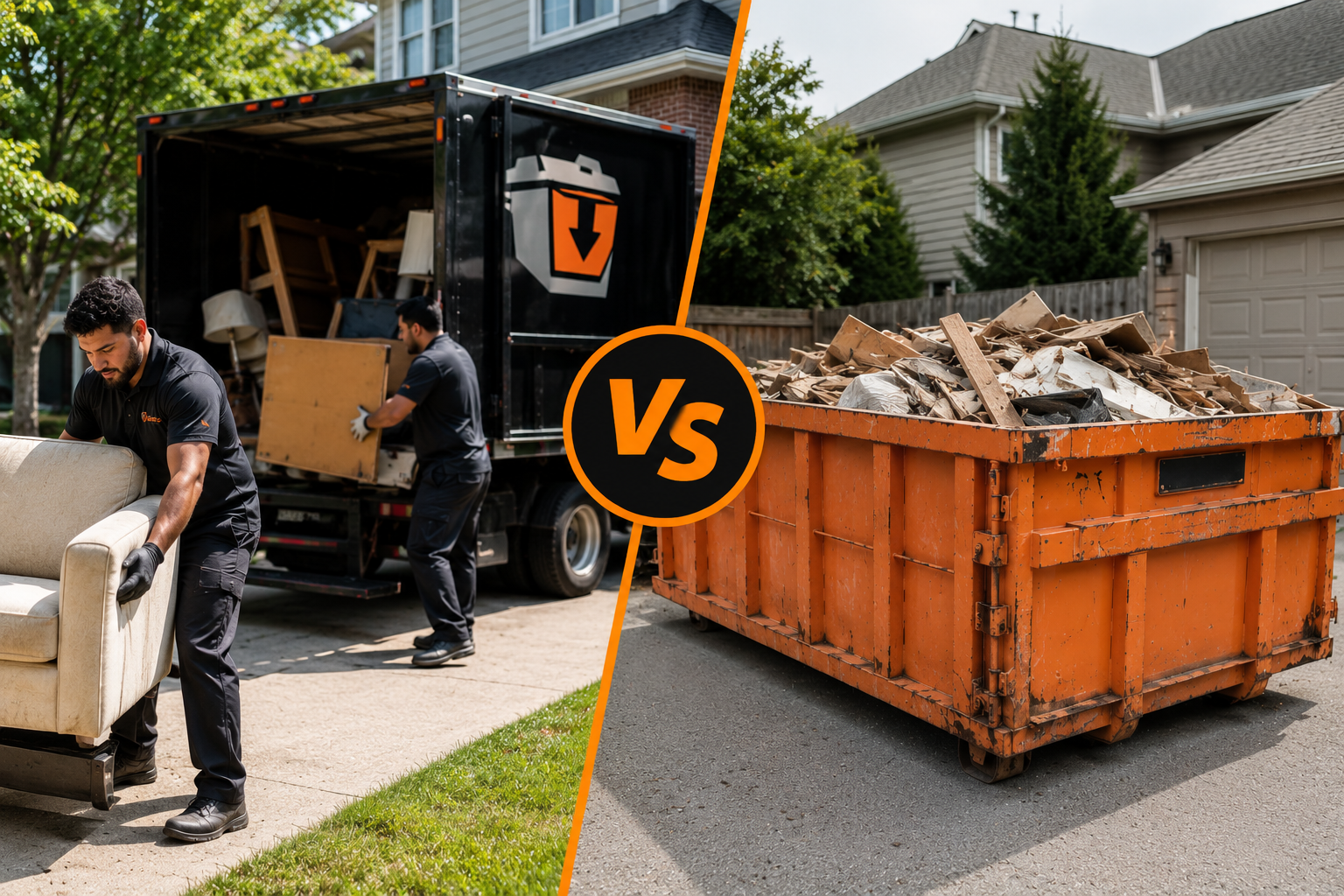
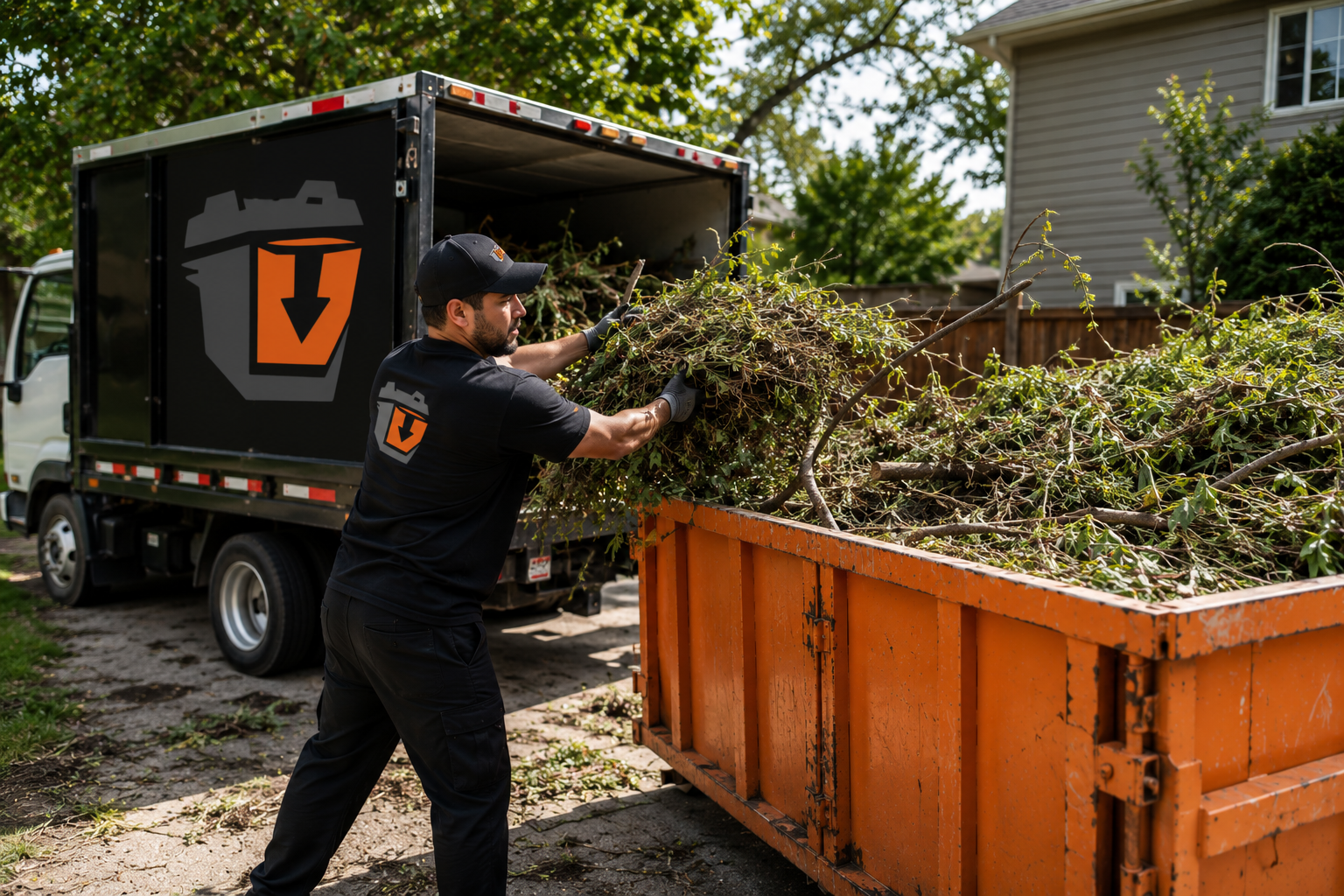
A solid yard debris removal plan starts with knowing what’s actually sitting out there in your yard, how you’ll sort it, and which waste management service you’re going to lean on for the heavy lifting. It’s more than just raking up a few leaves and hoping for the best. If you’re keen to properly clean things up, you first need a clear picture of what’s actually sitting in your yard – every type of waste, from leaves and branches to random rubbish. That way you know what can go into the compost, what belongs in the bin, and when it’s time to bring in a yard rubbish removal crew because the job’s simply too big to handle solo.
Maybe the garden’s been ignored for a while, maybe a storm has dumped branches everywhere, or maybe you’ve just hit that point where you want a fresh start. Whatever kicked you into gear, a little planning turns a chaotic, overwhelming yard into a simple, one‑weekend job you can confidently knock over. Think of this guide as your simple roadmap: you’ll walk the yard, sort the debris, choose how you’ll get rid of it, set yourself up with the right tools, and do it all safely without wrecking your back or your lawn.
Before you even pick up the rake, take a slow wander around the yard instead of rushing straight in. Have a proper look at the lawn, garden beds, along the fence, behind the shed and under the trees – all the spots where stuff tends to pile up and get forgotten. You’re chasing everything from leaf heaps and grass clippings to branches, fallen fronds, old pots, and those sneaky bits of rubbish like plastic scraps, rusty metal or broken tiles that just seem to turn up out of nowhere.
As you walk, start sorting it in your head into a few simple groups. Green waste is your leaves, grass, branches and general prunings.
Hard waste is the heavier gear – broken outdoor furniture, old timber, bricks and bits of metal. The clearer you are on what’s where, the easier it’ll be to decide what you can deal with yourself and what might be better handed over to a yard rubbish removal crew.
“Dodgy stuff” – sharp glass, screws, nails, or anything that could cut or trip you.
This quick audit tells you straight away whether you’re dealing with a light tidy‑up or a full‑blown yard debris removal mission that’s going to need a truck, some help, and maybe a proper waste management service to finish the job.
Once you know what you’re dealing with, start sorting. A lot of people make the job harder by dragging everything into one big heap in the middle of the yard. It looks impressive for about five minutes, but pretty quickly turns into a headache to sort, bag and shift out of the way.
Instead, keep green yard debris in one spot – leaves, grass, smaller branches together. Start another pile for general rubbish, plastic, metal and all the non‑organic junk. If you’ve got hard waste like bricks or broken concrete, give that its own corner too. Having separate piles might feel like more effort at first, but it makes every decision after that much easier.
Now you can see what can be composted or mulched, what can go straight into the council’s green bin or regular collection, and what really needs a proper pick‑up. Sorting also makes the area safer because you’re not stepping through a mix of sharp and soft items while your attention is on the “clean” garden waste.
With everything sorted, you can decide how you’ll move each pile off the property:
Green waste that’s clean and free from rubbish is perfect for compost or mulch if you’ve got a bit of space. Layer your leaves and grass with drier material and you’ll have something useful feeding your garden later.
Everyday levels of yard waste – regular clippings, small branches, light prunings – can often go out with your council’s green bin or yard collection service. Check the local guidelines so you’re not putting the wrong thing out or overfilling your bin.
Bigger jobs, mixed piles and those “I just want it gone” situations are where a yard debris removal crew earns their keep. They’ll come in with a truck, load everything up in one go, and handle disposal for you, which is a huge relief when you’ve filled half the yard with bags and branches.
If you’re dealing with serious volume – felled trees, heavy branches, soil, rubble, old outdoor furniture – a dedicated waste management service or debris contractor is often the simplest answer. Instead of ten trips in a small car, you get one organised clean‑out with the right equipment and a clear plan for where everything is going.
Pick your day with a bit of thought. Look at the weather, think about how long the job will really take, and give yourself enough daylight so you’re not still dragging bags at sunset. If you know you’re in for hours of cutting and hauling, don’t stack a dozen other chores on the same day.
Before you start, line up what you’ll need: decent gloves, solid shoes, rakes, secateurs, maybe a pruning saw, a wheelbarrow and strong bags or tarps. Set up your piles or tubs close to the exit point – the driveway, side gate or curb – to cut down how far you’re carrying everything. It sounds obvious, but people constantly make their own job harder by creating piles in the wrong place.
If you’ve booked a rubbish removal team or waste service, make sure your timing matches theirs. Have everything ready to go before they arrive so they can load quickly and you’re not scrambling to finish sorting while the truck is sitting outside.
A good yard debris removal plan doesn’t need to be complicated. Take a proper look at what’s in your yard, sort it into sensible piles, match each type of waste with the right solution, and give yourself the tools and time to do it safely. When you’ve got a reliable yard rubbish removal backing you up for the big loads, the whole process feels manageable instead of overwhelming. Clean yard, fewer trips to the tip, and the satisfaction of seeing every last branch and bag disappear – that’s the payoff for doing the planning up front.
Professional, insured same-day junk removal services across Ontario.
Send a message or request a free quote